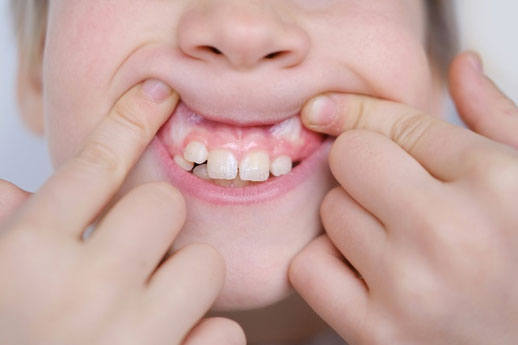
 Have you ever wondered why so many people today have crowded, crooked, or misaligned teeth? In recent generations, our daily habits, diets, and environments have changed dramatically—often in ways we scarcely notice. The answer has a lot to do with changes in our jaws over time.
For our teeth to grow straight and fit properly, our jaws must develop fully and provide enough space for all 32 teeth. The upper jaw (maxilla) and lower jaw (mandible) are designed to grow and adapt during development. When they grow properly, teeth align naturally, and the mouth functions well.
Our distant ancestors ate tough, fibrous foods that required a lot of chewing. This constant workout helped their jaws grow strong and roomy enough to accommodate all their teeth comfortably.
Things started to change about 10,000 years ago with the rise of farming. People began eating softer, cooked grains and other foods that didn’t demand as much chewing power. Over time, this shift meant our jaws didn’t need to grow as large. Fast-forward thousands of years, and the foods we eat today—soft breads, processed snacks, and well-cooked meals—are even easier to chew. Our jaws simply don’t get the same stimulation they once did, so they tend to be smaller and not as well-developed.
Our world is not only filled with processed foods and diet isn’t the only factor at play. Think about how much time you spend looking at screens—whether it’s a computer, phone, or TV. We often lean our heads forward, hunch our shoulders, and slump in chairs or on couches for hours. This can affect the way the muscles in our neck, shoulders, and face work together, ultimately influencing how our jaws line up. Over time, poor posture can contribute to jaw misalignment, tension, and discomfort.
Additionally, some modern habits and conditions influence how we breathe. Mouth-breathing instead of nose-breathing can affect the growth and positioning of the jaw, especially in children. Sleep positions, stress (which might lead to clenching or grinding), and even how often we talk or chew gum can all subtly change how the jaw and facial muscles develop and function.
Our mouths have changed over time, adapting to the way we eat and live. While these changes have given us many conveniences, they’ve also introduced new challenges, like malocclusion. By understanding our jaws’ history and how they’ve changed over time, healthcare professionals can more accurately diagnose problems and recommend treatments that address the root cause—leading to better, longer-lasting results for patients.