
The stomatognathic system is a complex network of structures that work together to help us eat, speak, and perform everyday functions. This system includes the jaw, the temporomandibular joints (TMJs), the teeth, and the associated muscles. For this system to function efficiently, two critical factors contribute to its stability:
1. Stable Contact Points in the Temporomandibular Joints (TMJs)
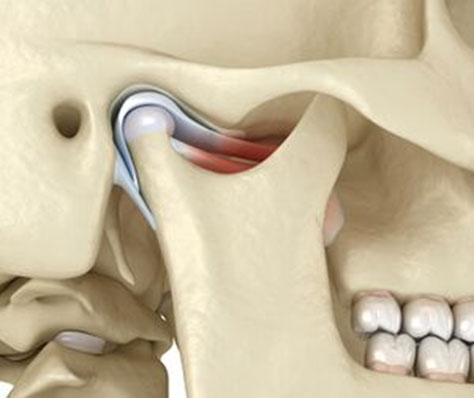 The TMJs are vital for the movement of the jaw, connecting the condyles (the rounded ends of the jawbones) to the base of the skull. For the system to function properly, it is essential that the condyles are correctly positioned within the TMJ sockets. Proper alignment and stability of the condyles within the joint ensure that the jaw can move smoothly, without causing undue stress or strain on the surrounding tissues. When the TMJs are properly aligned, the jaw moves freely and without discomfort, supporting normal daily functions such as speaking and eating.
2. Stable Occlusal Contacts Between the Upper and Lower Teeth
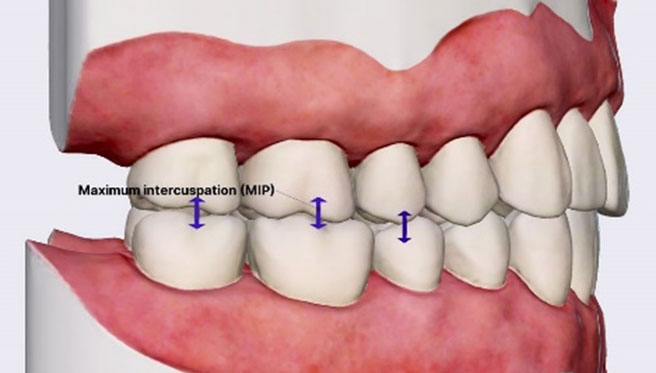 In addition to the function of the TMJs, the alignment of the teeth plays a critical role in maintaining the stability of the stomatognathic system. Proper occlusion refers to the way the upper and lower teeth fit together when the mouth is closed. For optimal function, the teeth should align in such a way that forces are evenly distributed during biting and chewing. During functional movements, such as chewing, there should be a smooth, interference-free glide between the upper and lower teeth. A stable occlusion prevents undue stress on the teeth, muscles, and joints, which is key to maintaining long-term oral health.
Consequences of Instability in the Stomatognathic System
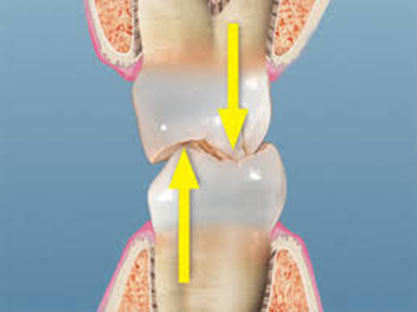 When either the TMJs or the occlusion becomes unstable, a range of functional disturbances and mechanical issues can arise. These include:
• Abnormal Jaw Movement: Misalignment of the TMJs or improper occlusion can cause the jaw to deviate or move asymmetrically. This abnormal jaw movement may lead to discomfort, difficulty chewing, or even the development of jaw-related disorders.
• Muscle Spasms: Muscles surrounding the jaw often compensate for misalignments in the TMJs or teeth. Over time, this can result in muscle spasms, causing tension, pain, and discomfort in the face, neck, and jaw.
• Mechanical Trauma to the Joints and Teeth: Improper alignment of the TMJs or occlusal contacts can result in mechanical stress on the joints and teeth. This may lead to joint dysfunction, tooth wear, or even damage to the structures of the mouth.
The Importance of Maintaining Stability
In summary, the stability of both the TMJs and dental occlusion is crucial for the proper functioning of the stomatognathic system. When these components are well-aligned and functioning harmoniously, the jaw can perform its necessary functions without pain or dysfunction. However, when instability occurs, it can lead to a range of issues, from muscle tension and jaw discomfort to more severe joint or dental damage.
If you are experiencing any symptoms of jaw pain, discomfort, or irregularities in your bite, it is important to seek professional evaluation. Early intervention can help prevent further complications and ensure that your stomatognathic system remains in optimal condition.