
When we talk about dental treatment, most people imagine fillings, crowns or maybe even implants and dentures. But there’s one important concept many patients don’t realize: every restorative dental procedure is a form of prosthetic work.
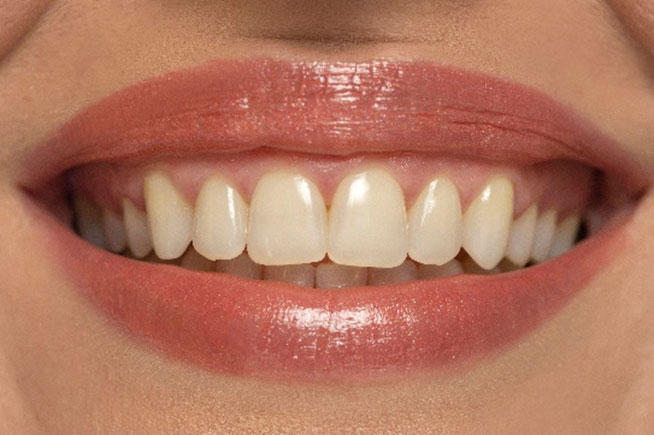
Once a portion of a tooth – or an entire tooth – is lost due to decay, gum disease, or traumatic injury, we cannot biologically regrow the missing structure. Unlike skin or bone enamel, dentin, and supporting tissues don’t regenerate on their own. When decay, infection, fracture, or trauma destroys part of a tooth, that lost structure is gone permanently. This is similar to a lost leg or arm, which cannot regrow and must be replaced with a prosthetic limb, or a damaged eye, which may require a prosthetic eye for aesthetics and comfort. That means the only way to rebuild what was lost is by using artificial materials.
In all cases, the body cannot rebuild the missing part, so a fabricated substitute is required. Any prosthetic device placed in the human body must be designed to survive constant mechanical stress. Whether it’s a prosthetic leg, an artificial arm, a heart valve, or a dental restoration, all prosthetics face daily forces that nature originally designed the body to handle — but which the replacement material now must endure.
While a prosthetic leg must absorb body weight with every step—enduring hundreds or even thousands of impacts each day, along with twisting forces and uneven ground pressure—dental prosthetics such as fillings and crowns face an even more demanding environment. Inside the mouth, restorations are subjected to some of the harshest mechanical conditions in the human body.
During chewing alone, teeth generate 40 to over 200 pounds of pressure, depending on where the bite occurs. Back teeth must handle strong crushing forces, while front teeth manage cutting and tearing forces. For many people, parafunctional habits like grinding or clenching can produce forces exceeding 600 pounds, the equivalent of biting down on a rock.
These restorations also endure constant repetition. With every chew, swallow, and spoken word, teeth make contact—resulting in tens of thousands of micro-impacts each day, far more frequent than the load cycles experienced by a prosthetic leg.
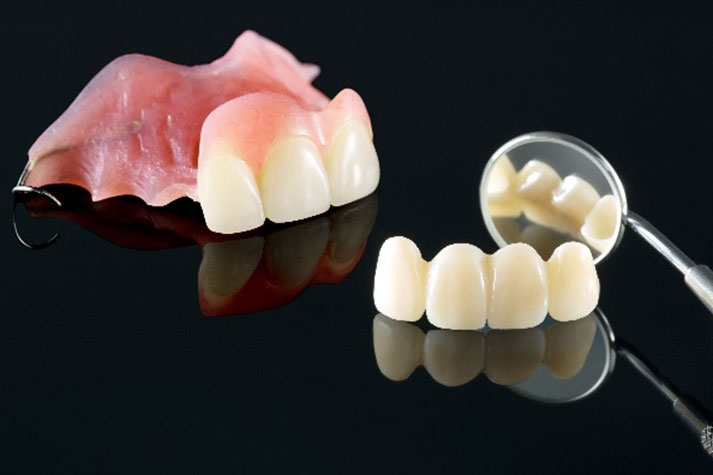
On top of this, restorations must tolerate sudden temperature changes from ice-cold drinks to hot soups and coffee. These rapid shifts cause materials to expand and contract, placing additional stress on both the prosthetic and the bonding interface that connects it to the natural tooth.
The list of intra-oral challenges that dental prosthetics must withstand is nearly endless, and we could dedicate an entire article to those forces alone. But the key point here is simple: any tooth restored with a prosthetic material will not last forever. Every restoration has a lifespan, and thoughtful planning is essential to make it last as long as possible. That means considering and addressing every factor – from decay removal and bonding strength to bite forces and material durability – so the final result is predictable, stable, and long-lasting.