

TMD – The Condition Behind Jaw Pain, Headaches, and Posture Issues)
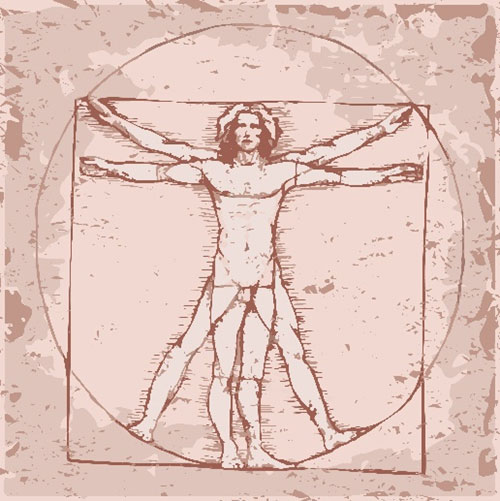
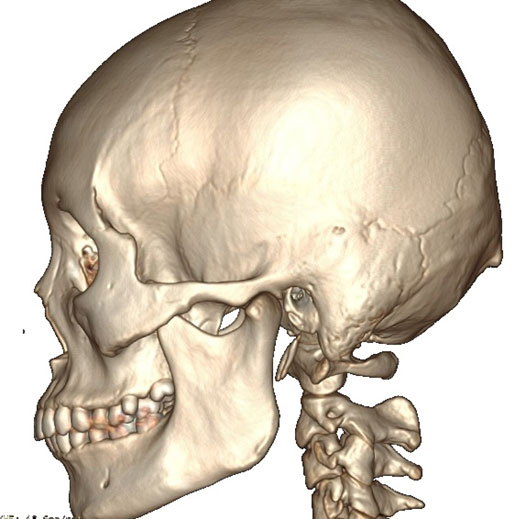
TMD (temporal-mandibular dysfunction) is a term used to describe a group of conditions that affect the muscles and joints in your head, face, neck and in some cases even shoulders. TMJs are the joints of interest because they connect your jaw to your skull and are involved in almost everything your jaw does — chewing, speaking, swallowing — and even play a role in your overall posture and body balance. Although the temporomandibular joints (TMJs) are the primary structures involved in TMD, they are not the only areas affected. TMD can influence the alignment of the cervical vertebrae and alter the relationship between the base of the skull and the first cervical vertebra (C1). These changes may create uneven spacing, disturb normal joint mechanics, and contribute to shifting of the intervertebral discs. As a result, nearby nerves and blood vessels may become compressed or irritated, leading to symptoms that reach far beyond the jaw — such as neck pain, headaches, dizziness, postural changes, and even radiating discomfort, tingling, or numbness down the arms and into the fingers. So, when the TMJs and corresponding structures aren’t working properly, it can lead to ongoing pain and discomfort that really impacts daily life. Some of the most common symptoms of TMD include:
- Headaches and migraines
- Dizziness and vertigo
- Foggy mind
- Tinnitus, ear pain and stuffiness
- Stuff sinuses with internal pressure
- Facial pain and muscle stiffness
- Jaw pain and tenderness
- Clicking, popping, or grating sounds in the jaw
- Difficulty chewing or opening the mouth fully
- Pain in the neck and shoulders
As you can see, in some cases, TMD can present with symptoms that resemble neurological or ENT disorders, leading many patients to seek help from those specialists first. However, when treatment doesn’t resolve the issue — or even fails to bring meaningful relief — it may be time to look deeper. Chronic ear fullness, tinnitus, morning headaches, or episodes of vertigo may not immediately sound like dental problems, yet they often have a functional origin within the jaw and bite. This is where we can step in and help.
TMD can develop for many different reasons, but at its core it reflects a loss of functional harmony among the muscles, joints, and supporting structures that guide jaw movement. When the musculoskeletal system falls out of balance — altering muscle tone, posture, and overall body alignment — the earliest and most noticeable symptoms often appear around the temporomandibular joints (TMJs).
Because TMD is such a complex condition, the most successful treatment usually involves a team of professionals working together. This might include dentists, physical therapists, pain specialists, and even psychologists. Each expert addresses a different piece of the puzzle, from muscle tension to stress, to make sure nothing is overlooked. At the Center for TMD Treatment, we provide thorough evaluations using advanced diagnostic technology and offer individualized, custom treatment plans designed specifically for your needs.
The Difference You’ll Experience Here
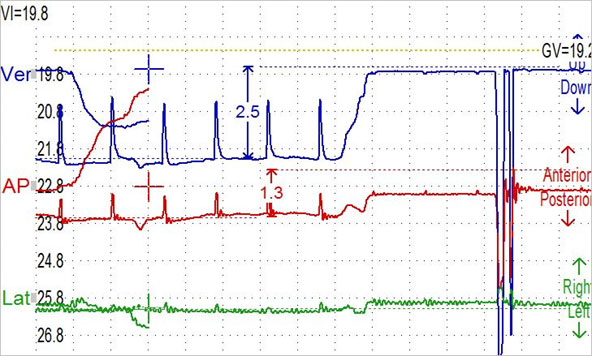
Our diagnostic and treatment decisions are guided by objective measurements. Using computerized and digital technology from the initial assessment, we move beyond subjective judgment to achieve greater precision and predictability. Following a comprehensive initial interview we design a customized data-collection protocol supported by advanced diagnostic technology. The information gathered is processed through specialized software, allowing us to achieve the most accurate assessment of your current condition.
Why Choose Us?
We are a team of dedicated professionals led by NYU-trained Dr. Levit, with advanced postgraduate education in occlusion, bite dysfunction, and TMJ pathology. Our philosophy is rooted in precise diagnosis, individualized treatment, and close interdisciplinary collaboration — with TMD having such a broad spectrum of origins and arises from diverse contributing factors every patient’s condition is truly unique, and care should reflect that.
From the very first visit, we take a data-driven approach rather than relying solely on subjective clinical judgment. After a thorough initial interview, we design a custom technology-supported diagnostic protocol tailored to your symptoms and goals. Using digital and computerized tools, we collect objective measurements and process them through specialized software to achieve the most accurate assessment of your current condition.
With this information, we collaborate with a dental laboratory that specializes in fabricating TMD appliances across a range of clinical patterns. We securely share your digital records, allowing them to create a one-of-a-kind orthotic precisely designed for your jaw position, muscle balance, and functional demands.
Your treatment plan doesn’t stop at an appliance — it evolves with your body. Based on your response, we integrate specific physical therapy modalities and supportive care to guide your system toward stable function, comfort, and long-term health.
Because precision matters, we pay close attention to every detail and utilize all available resources and technologies. This commitment forms the foundation of our clinical philosophy and is reflected in the significant emphasis we place on advanced TMD and occlusion analysis technologies.